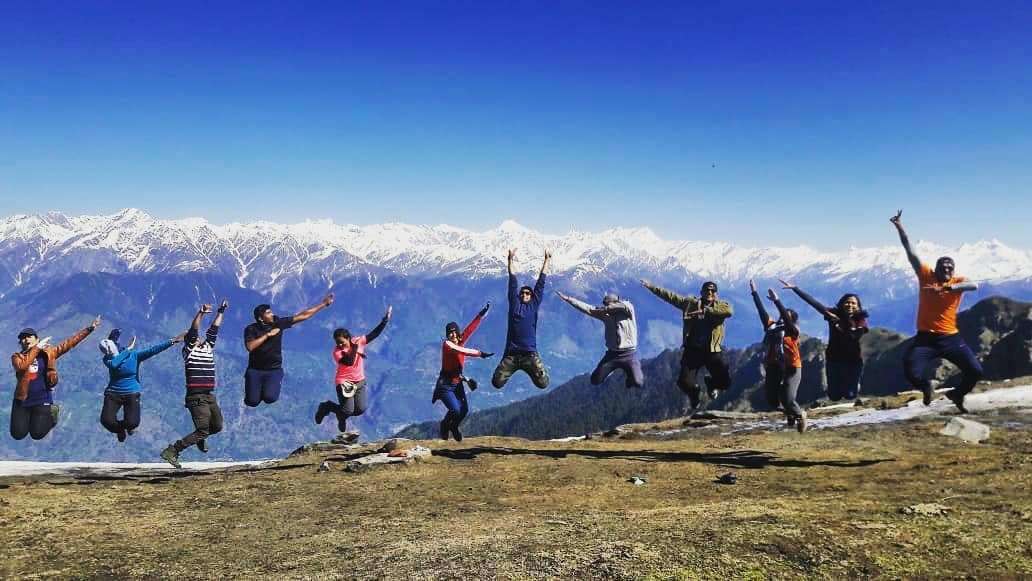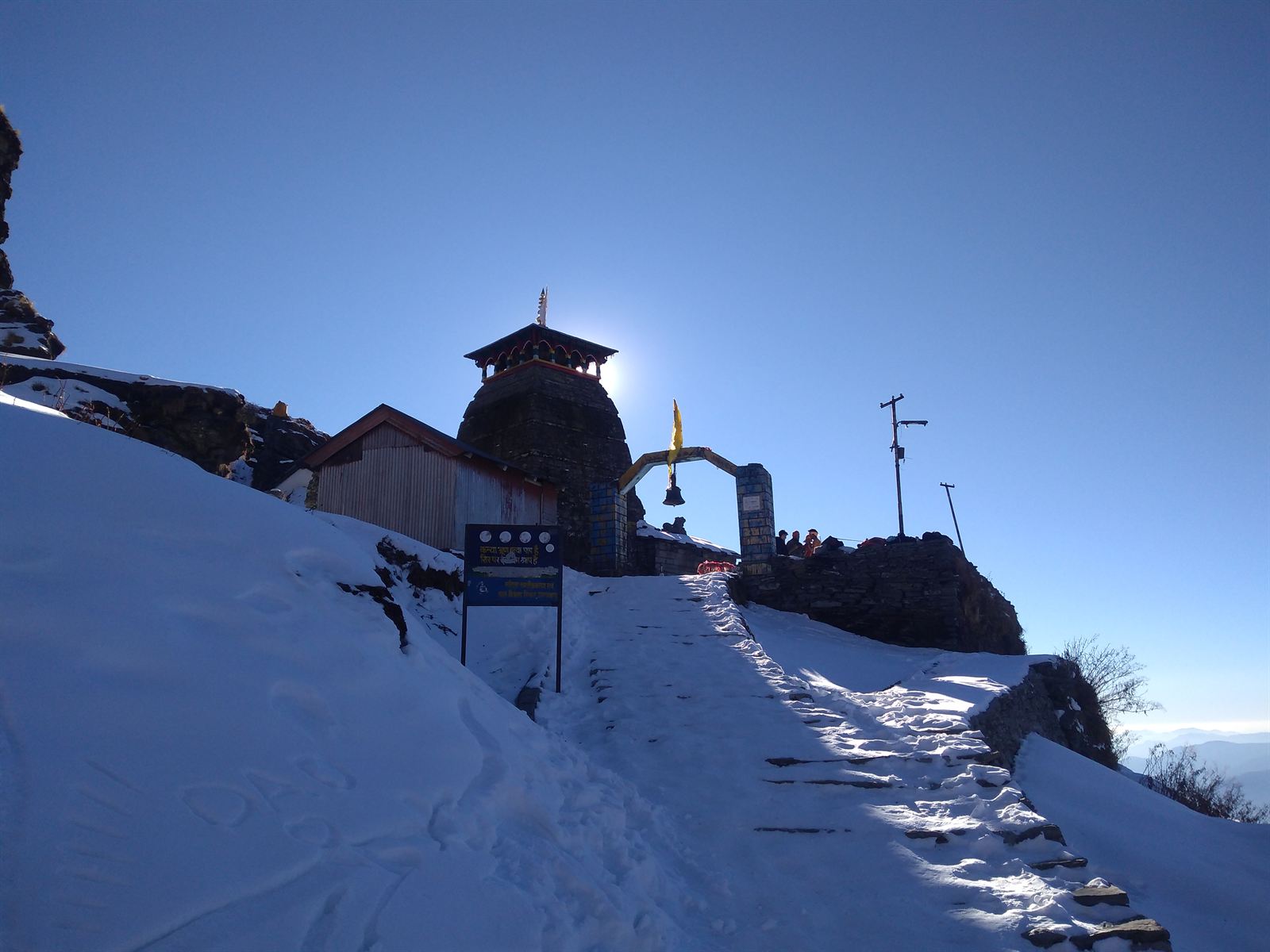
I booked this trek on a Tuesday evening, the way people book things they do not quite believe they will do. A colleague had come back from a YHAI program the year before and would not stop talking about it. I had never slept in a tent. My idea of a walk was the stretch between the office and the metro station.
The base camp at Sari village sorted that out quickly. You arrive, you are handed a rucksack tag and a batch number, and within an hour you are one of forty-odd strangers sharing a dining tent. Nobody asks what you do for a living. Everybody asks whether you have broken in your shoes.
The second day teaches you the mountain
Day two is orientation and an acclimatisation walk, and I remember being faintly insulted by how slowly we were told to go. By the end of it I understood. The camp leaders are not being cautious for the sake of it - they have seen what altitude does to people who arrive fit and impatient.
On day three we walked up to Deoriatal. The lake sits in a bowl of forest, absolutely still, and if the weather is kind it holds the reflection of the peaks behind it. We got there in the early afternoon, dropped our packs, and most of us just sat down and looked at it for an hour. Nobody had told me that a trek involves this much sitting quietly.
Chopta, and then the summit
Day four is the long one - eighteen kilometres through rhododendron and open meadow to Baniyakund. My legs had opinions about it. But there is a particular kind of tiredness you earn outdoors that feels nothing like being tired at a desk, and I slept better in a tent at 8,000 feet than I have in years.
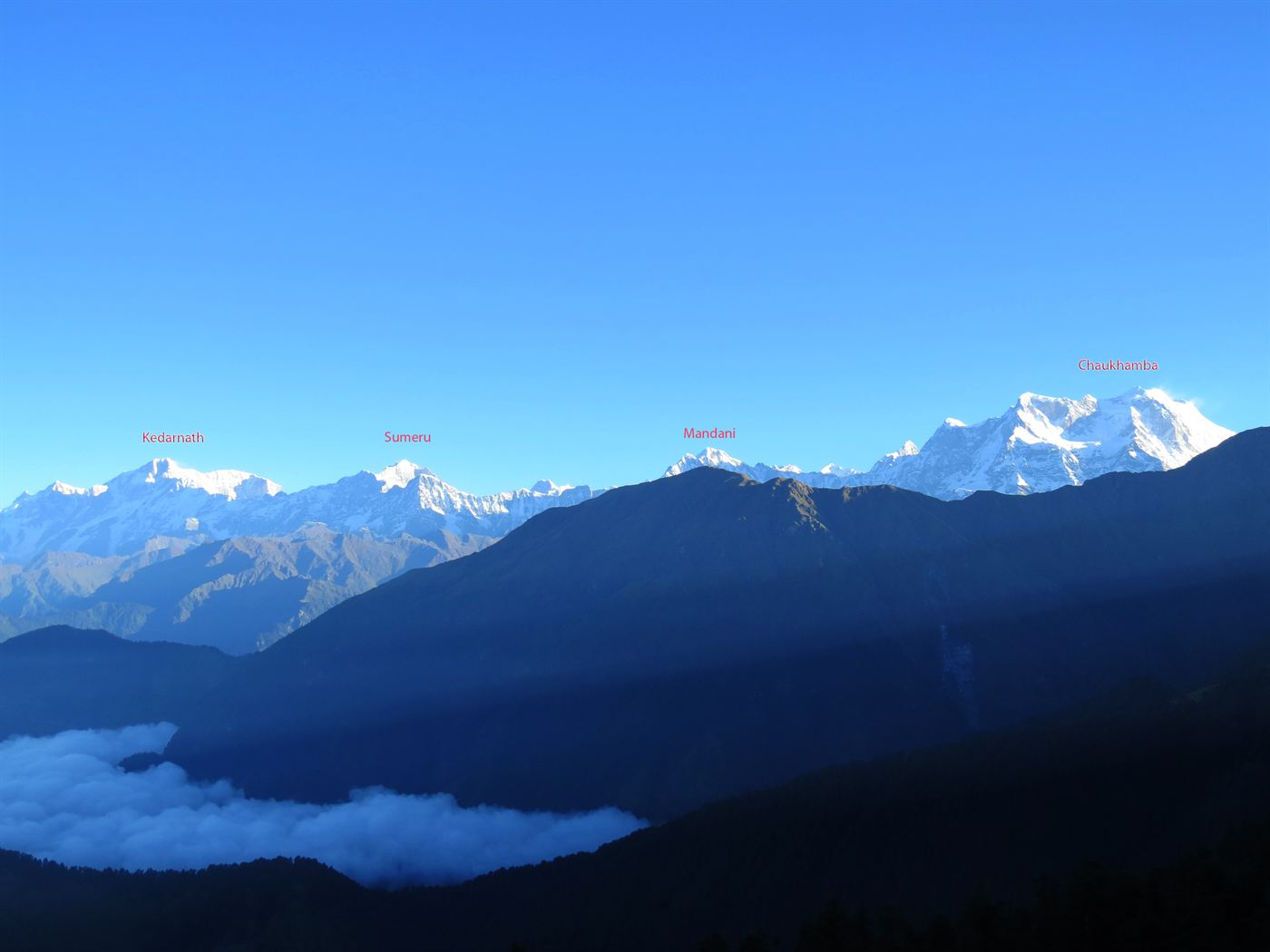
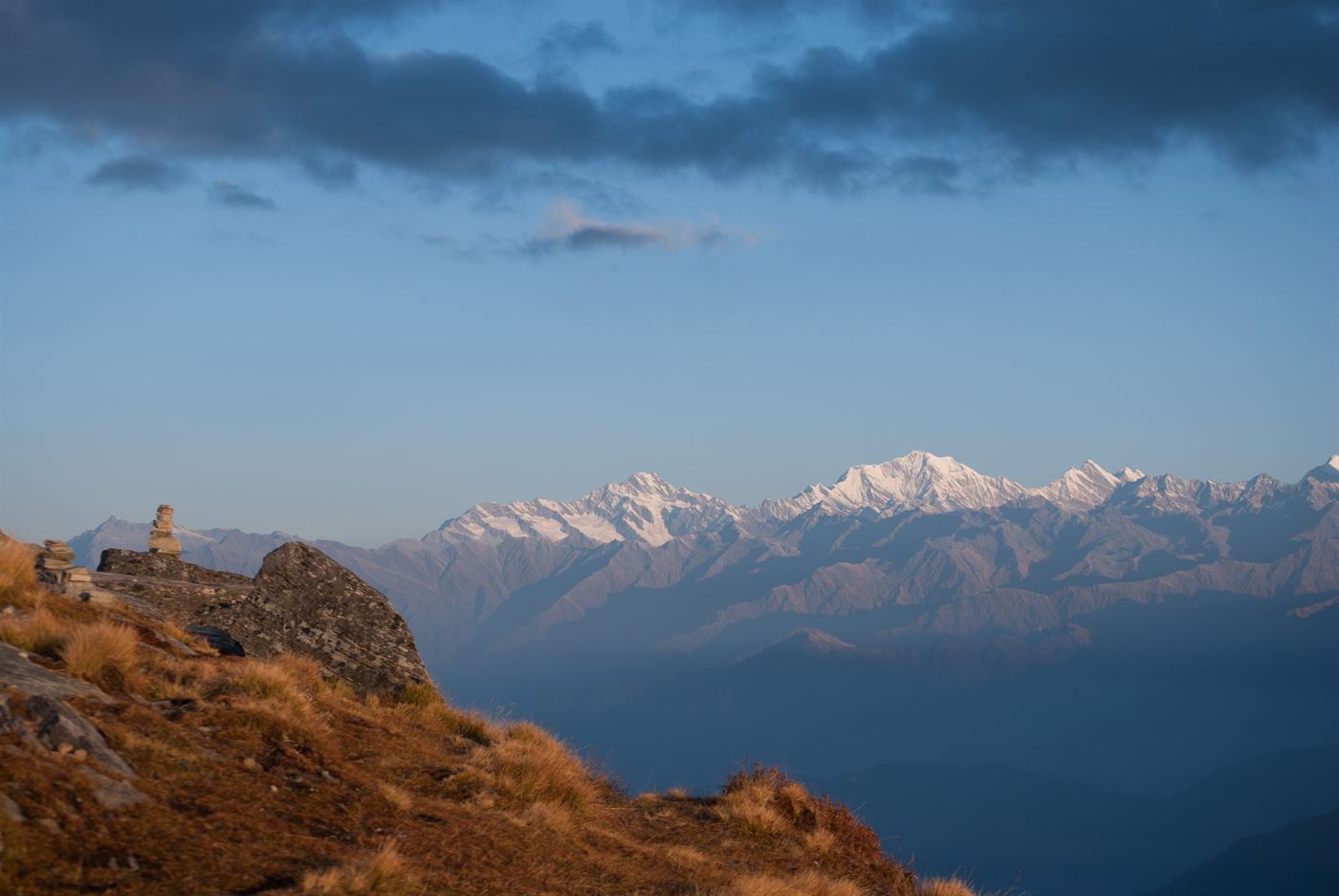
We left for the summit before dawn on day five, head torches on, in a line so quiet you could hear the snow under everyone's boots. Tungnath - the highest Shiva temple in the world - appeared out of the dark about an hour in. Another forty minutes above it, the ridge opened up and the sun came over the far peaks, and the whole Garhwal range turned gold in about ninety seconds.
I am not going to pretend I said anything profound. I think I said "oh" and then sat on a rock.
What I would tell the version of me who booked it
- Break in your shoes. Genuinely. This is not filler advice.
- You will be colder at night than you expect, and warmer walking than you expect. Layers, not one big jacket.
- The medical certificate is not a formality - the altitude is real and the camp leaders check.
- Carry your own rucksack. It is part of the deal at YHAI, and by day four you stop noticing it.
- Talk to people at dinner. Half the reason I went back the next year was the group.
I have since done two more YHAI programs. This one is still the one I recommend to anyone who says they could never do a Himalayan trek - because six days earlier, so was I.
Photographs: Tungnath temple in winter by Navdeep Gusain; view from Chandrashila summit by dr ashok kolluru; Himalayan peaks from Tungnath by Padmanabhan07. All licensed CC BY-SA 4.0 via Wikimedia Commons.
More Trek Guides
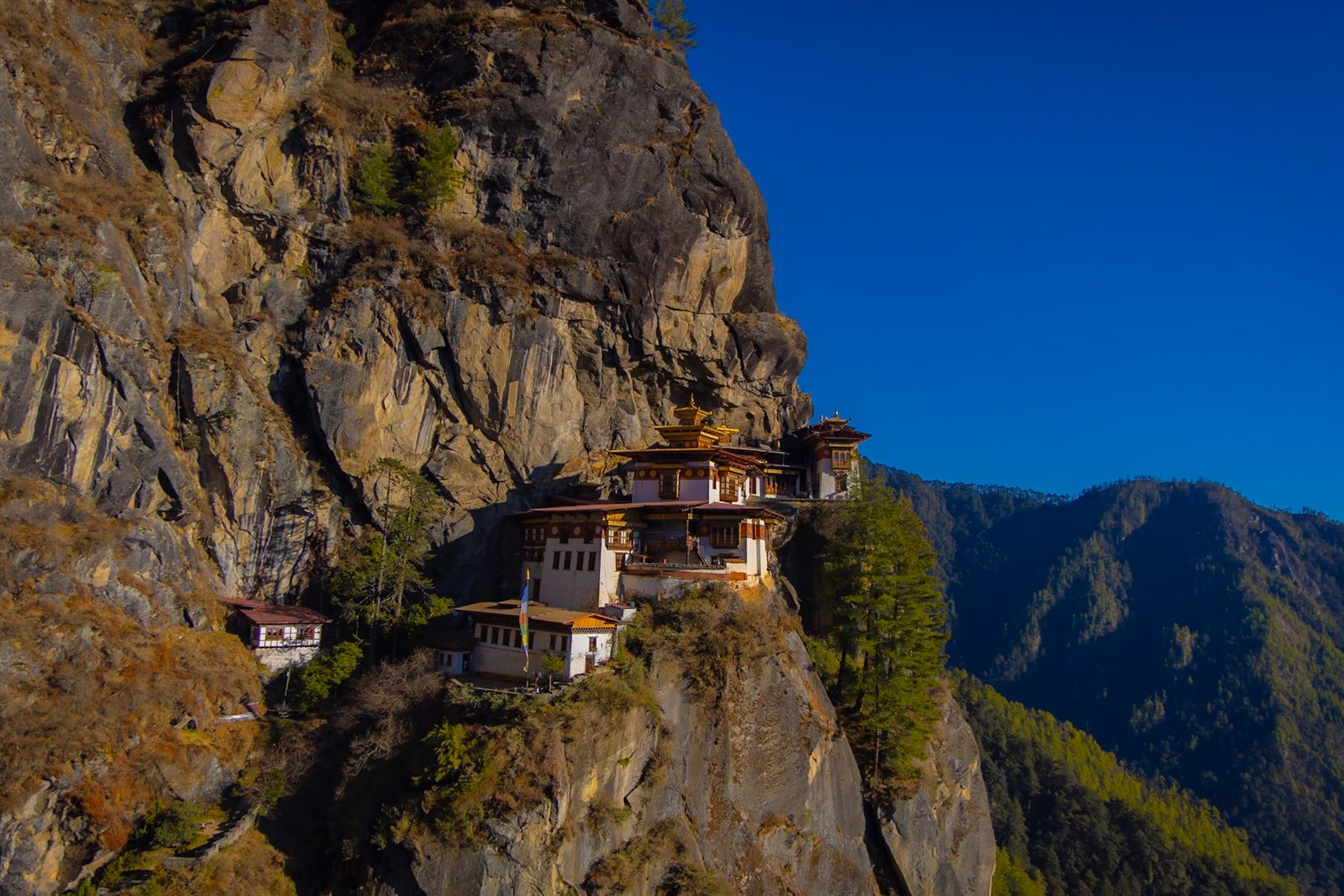 TravelogueEasy
You cross a border on foot at Jaigaon, and within a few hours the noise simply stops. Bhutan does not try to impress you quickly - which is exactly why it stays with you.
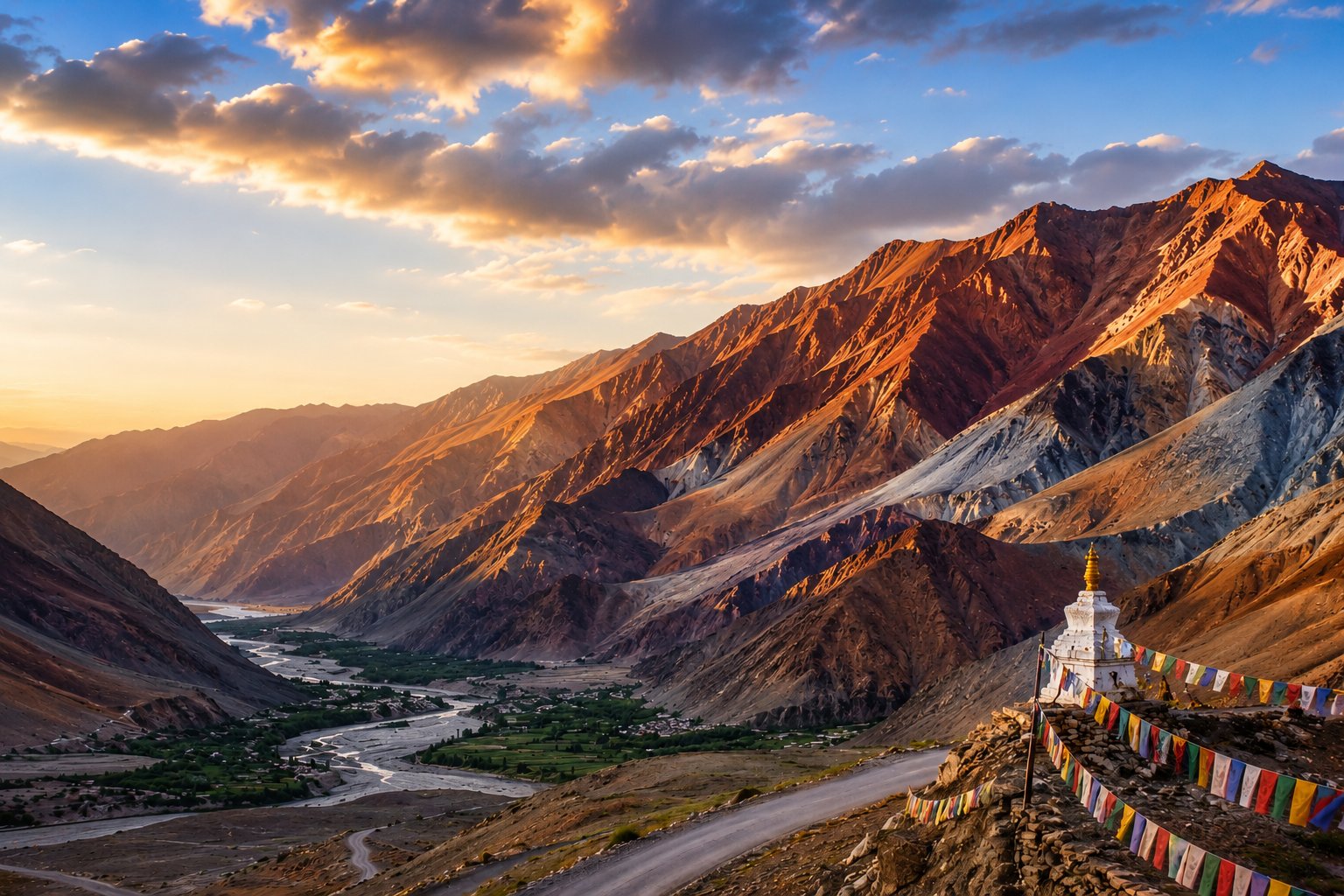 Travelogue
You don't just visit Ladakh - you surrender to it. A YHAI Leh Explore Camp told through acclimatisation days, high passes and the long silences in between.
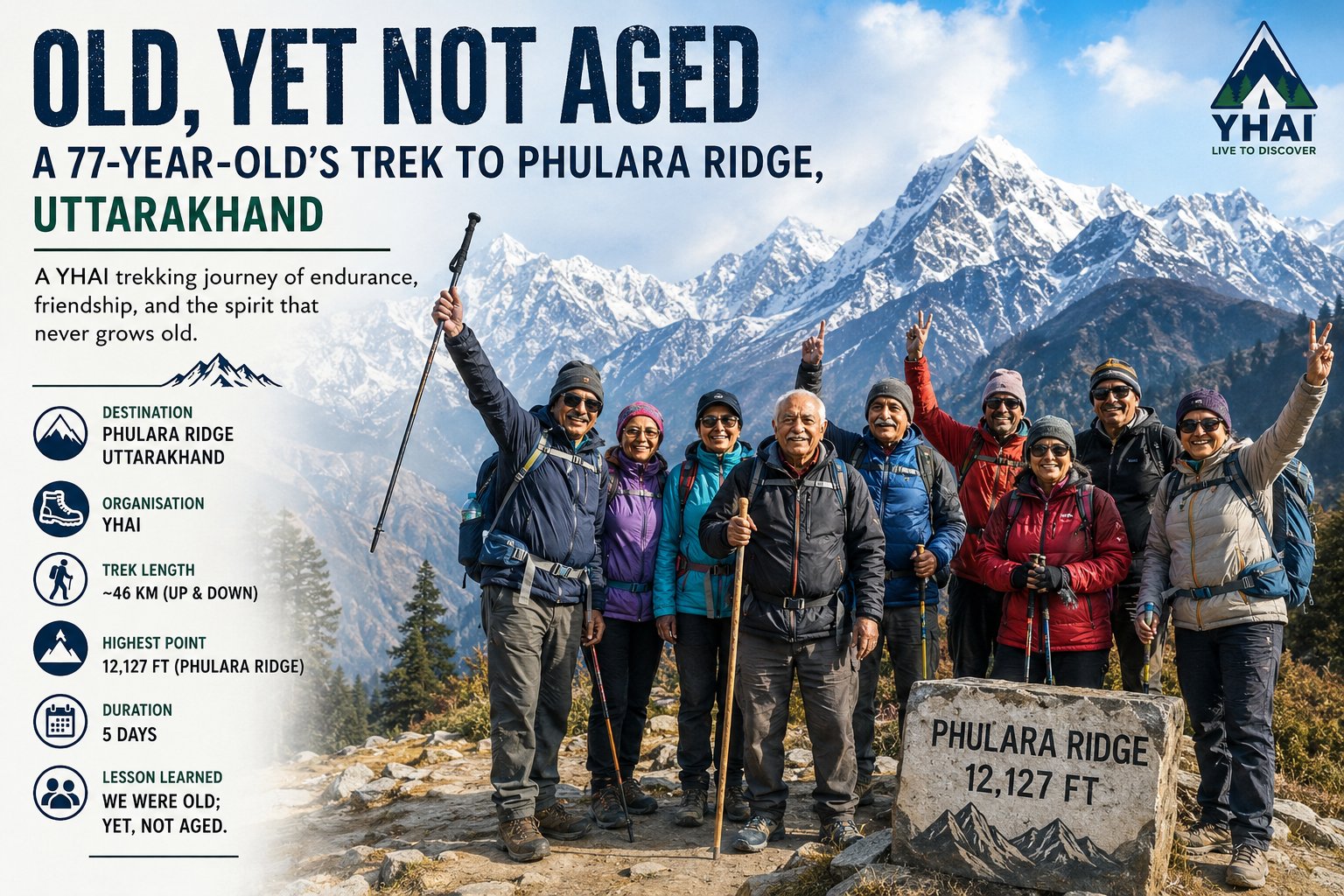 Travelogue
At 77, with his friend Tek Chand, the writer walked 46 km over craggy ground to the open Phulara Ridge. His verdict on the group: we were all old, yet not aged.